RoutinesRead article →
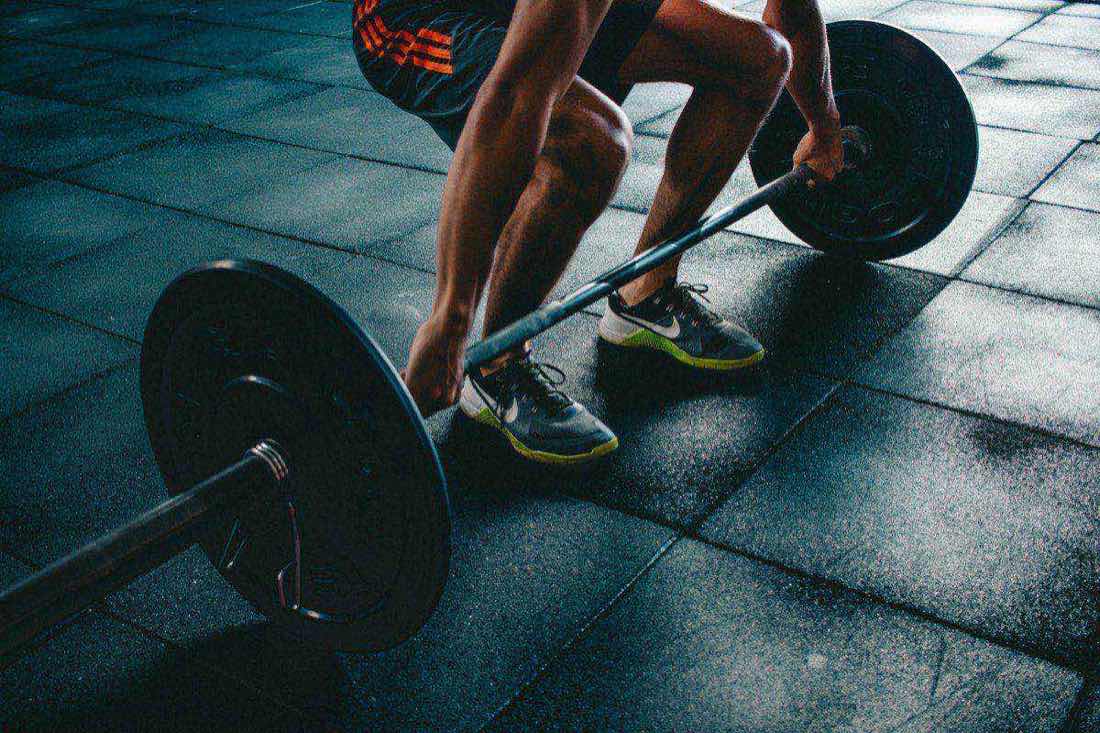
Recovery is not a rest day. It is every evening.
For fighters, lifters, and runners. The two hours between the last session and sleep are where adaptation actually happens.
ORUS Research Team · Editorial Team · 7 min read
The ORUS Blog
Research, guides, and honest opinions. No sponsored content. No affiliate links.
For fighters, lifters, and runners. The two hours between the last session and sleep are where adaptation actually happens.
ORUS Research Team · Editorial Team · 7 min read
 Routines
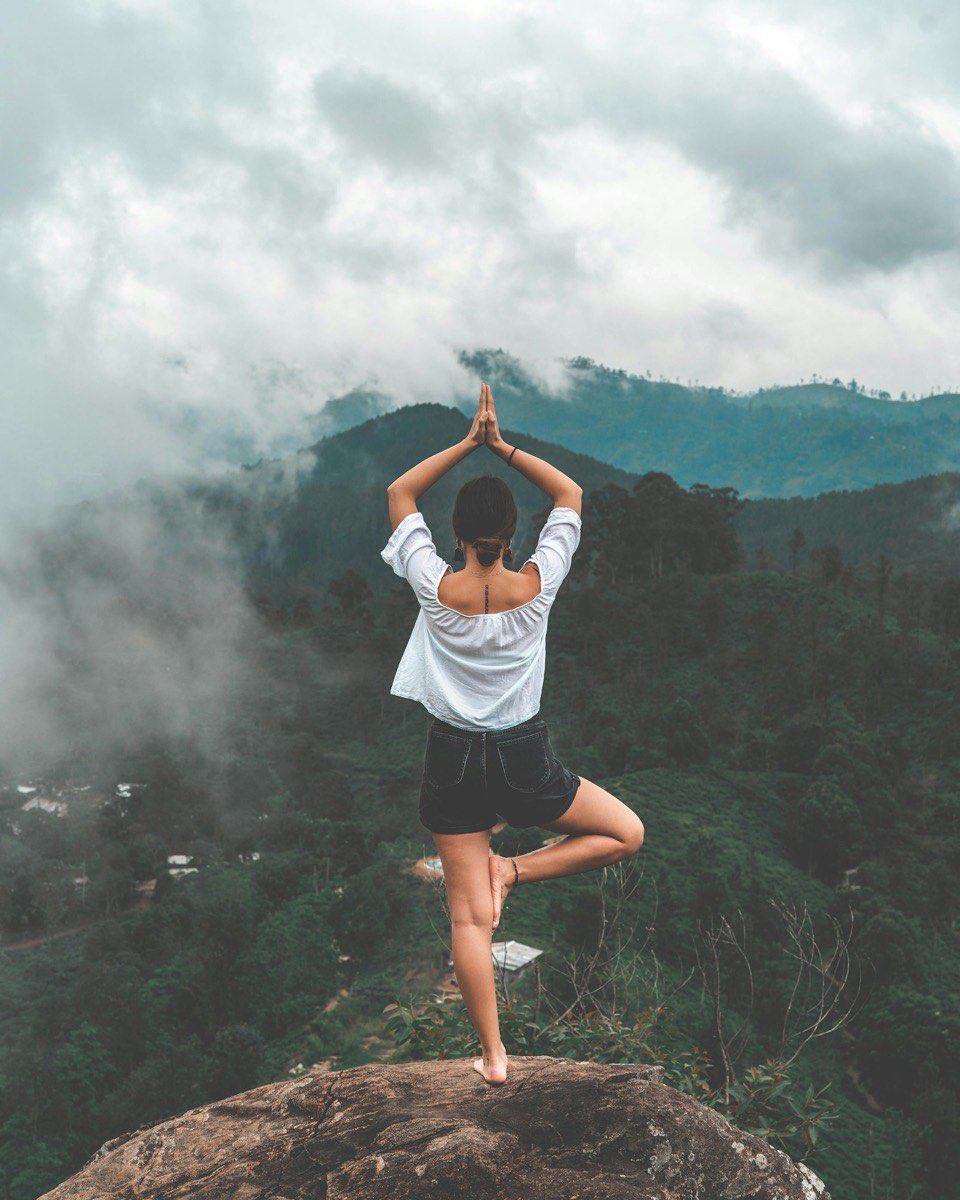
Five thousand years old, thirty seconds long, and unreasonably effective. The science is sharper than the wellness packaging suggests.
RoutinesRecovery is not Sunday. It is the 90 minutes between your last set and lights out. Get those right and you adapt faster than the people training harder.
 Sleep Science
The first three minutes feel like punishment. Stay through them and the nervous system responds in a way that genuinely helps sleep onset.
 Sleep Science
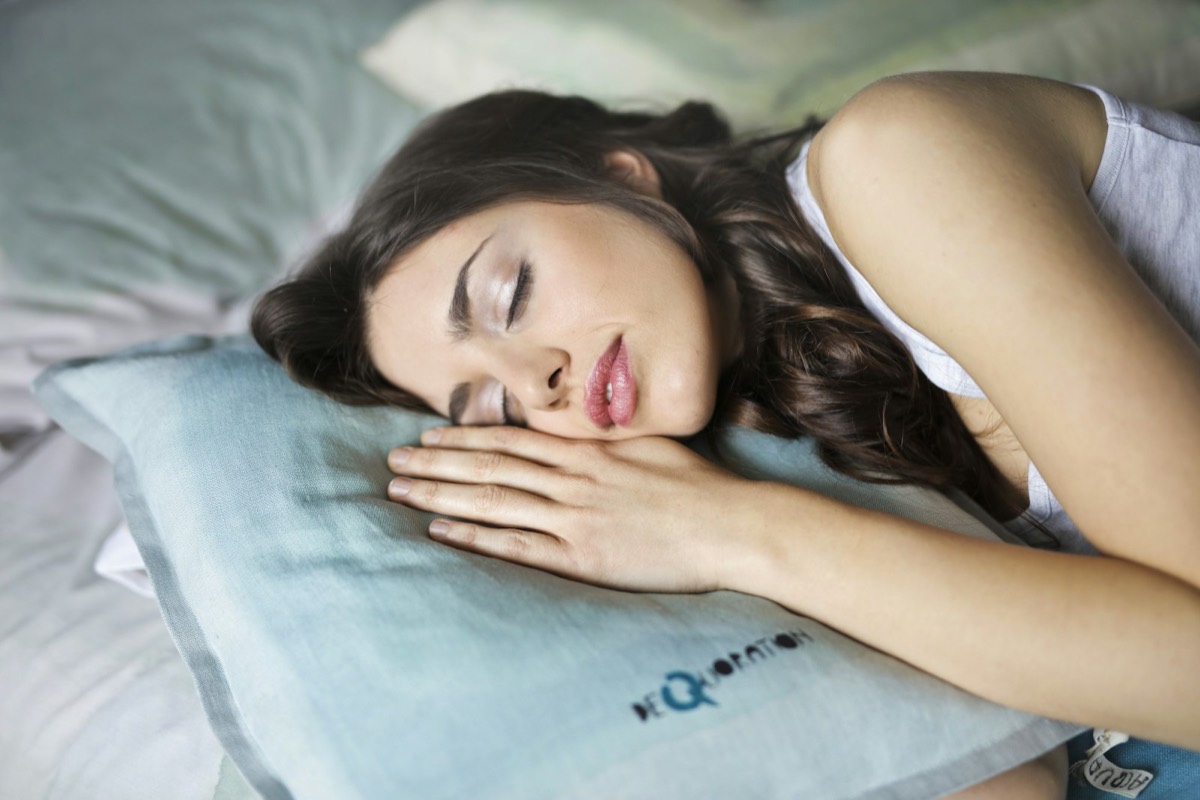
A narrative on the most overlooked sleep variable. CO2 is colourless and odourless. The only way it stops being invisible is to measure it.
 Guides
Sleepmaxxing is the loudest sleep trend in years. Most of it is theatre. The interventions with real evidence are smaller, quieter, and they fit on a single page.
 Routines
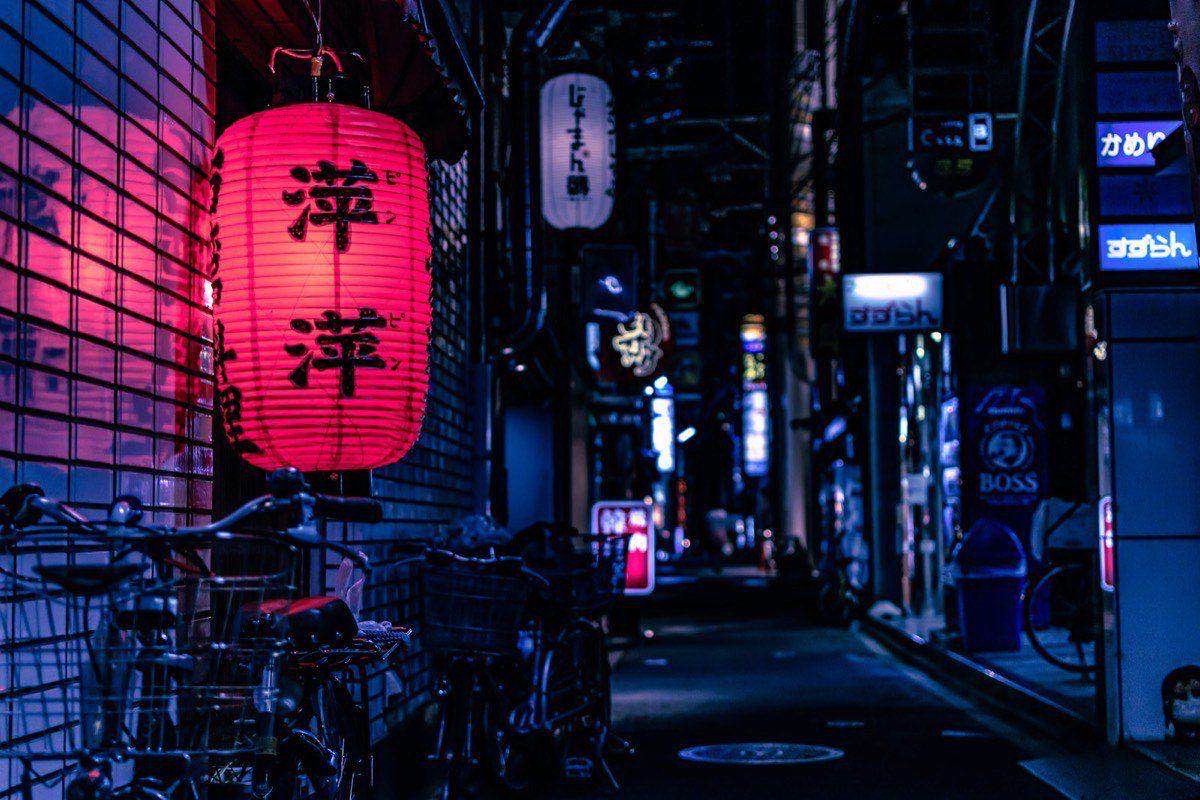
The slow-evening movement has a real point underneath the aesthetic. Sleep starts two hours before lights out, in phases. Each phase removes one input until you are left with the simplest version of the room.
 Guides
Northern-hemisphere summers wreck sleep timing. The fix is not just darker curtains. It is what you do with the evening light that reaches you.
 Guides
Shift workers cannot run the consistent-bedtime playbook. They can run a different one: aggressive light blocking, environment-first, bedroom protected during the day.
 Sleep Science
Above 1000ppm of CO2, sleep depth measurably falls. Most closed bedrooms hit that within the first two hours of the night. The fix is simple, and free.
 Sleep Science
Daytime blue blockers do almost nothing for sleep. Evening orange or red lenses have a real effect on melatonin. The science is clearer than the product category looks.
 Sleep Science
Short-wavelength light suppresses melatonin — but the dose, timing, and intensity matter more than most articles will tell you. Here is what the research actually shows.
 Ingredients
Three forms of magnesium dominate the supplement aisle, and only two of them are worth your money for sleep. A short guide to picking the right one — and the dose that actually does anything.
 Routines
Most evening routines fail because they are designed by morning people for morning people. Here is a five-step framework built around the way your circadian rhythm actually behaves at night.
New articles every week. No spam.